
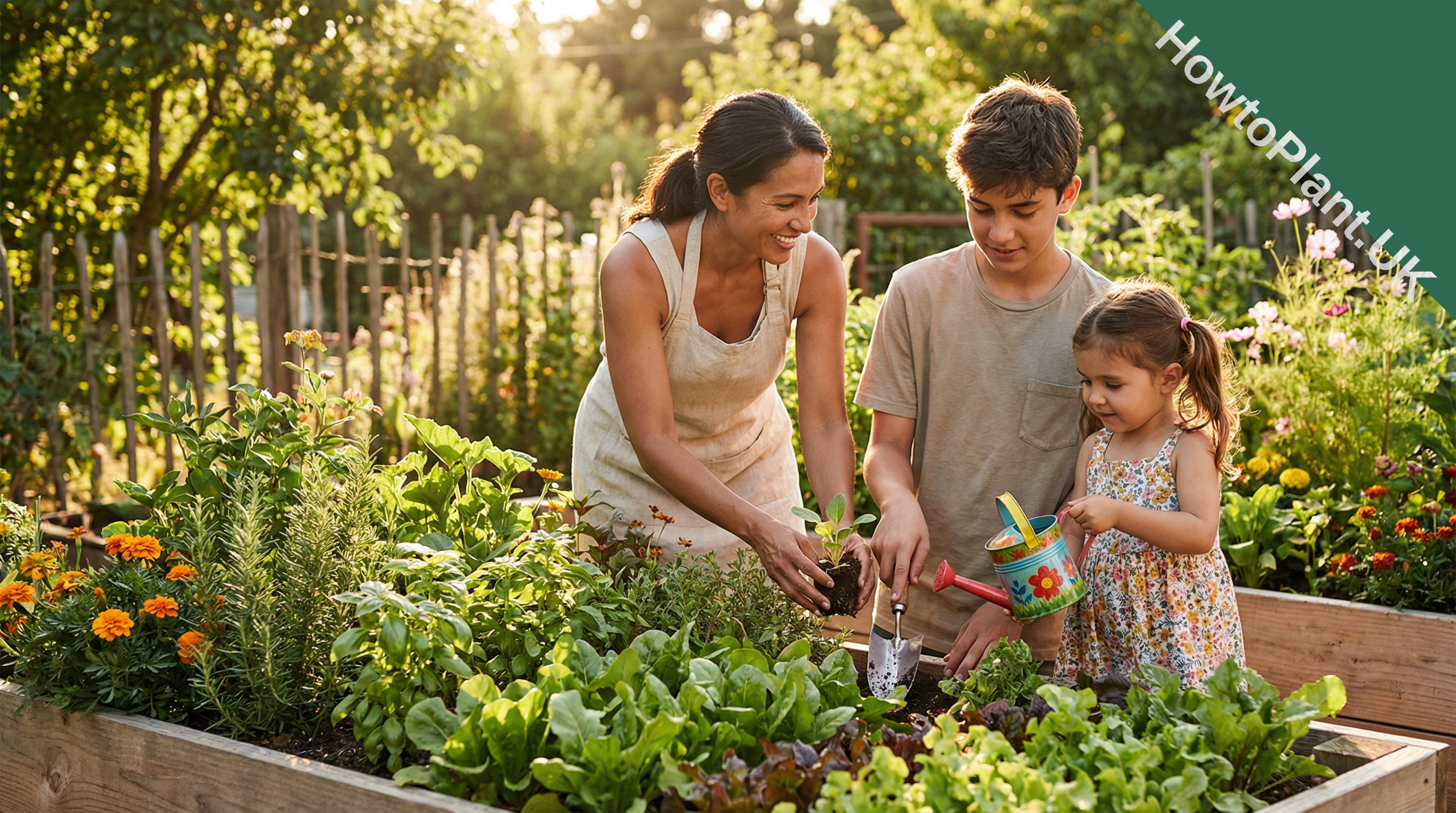
Gardening might seem like a complex science full of Latin names and strict rules, but at its core, it is simply the art of nurturing life. Whether you want to create a lush indoor jungle or a thriving backyard vegetable patch, the fundamental formula is always the same: match the right plant with the right light, soil, and water, and give it time. This guide will walk you through the essential steps to get your hands dirty, understand the rhythms of nature, and enjoy the incredible rewards of growing your own plants.
Step-by-Step: Planting Your First Seed or Seedling
Step 1: Understand Your Environment (Weather & Light)
Before buying any plants, observe your space. Do you have a sunny south-facing window, or a shaded patio?
- Sunlight: Most vegetables and blooming flowers need “Full Sun” (6+ hours of direct sunlight a day). Many houseplants prefer “Bright Indirect Light” to avoid leaf burn.
- Weather & Climate: If you are planting outdoors, weather is your boss. Learn your local frost dates (when the last freeze happens in spring and the first in autumn). Never plant warm-season crops like tomatoes outdoors until the weather is consistently warm.
Step 2: Gather the Essential Tools
You don’t need a shed full of expensive gear to start. Stick to the basics:
- A Hand Trowel: For digging small holes and moving soil.
- Gardening Gloves: To protect your hands from thorns, insects, and blisters.
- A Watering Can: One with a narrow spout for indoor plants, or a gentle “rose” head for outdoor seedlings.
- Pruning Shears (Secateurs): For cleanly cutting dead leaves or harvesting herbs.
Step 3: Choose the Right Soil
Dirt is not just dirt. The roots need oxygen as much as they need water.
- If planting in pots, always buy Potting Mix — it is formulated to drain well and prevent root rot.
- If planting in the ground, enrich your existing soil with Compost to add nutrients and improve texture.
Step 4: The Act of Planting
- Dig the Hole: Make it twice as wide as the plant’s current root ball, but exactly the same depth.
- Loosen the Roots: Gently massage the bottom of the root ball to encourage roots to grow outward.
- Place and Fill: Put the plant in the hole, fill it back with soil, and press down lightly to remove air pockets.
- Water Deeply: Give your new plant a good drink immediately after planting to help it settle in and reduce “transplant shock.”
4 Foolproof Plants for Absolute Beginners
To build your confidence, start with plants that are notoriously forgiving:
- Snake Plant (Houseplant): Thrives on neglect. It requires very little light and only needs water every few weeks.
- Pothos (Houseplant): A fast-growing trailing plant that will clearly tell you when it’s thirsty by letting its leaves droop slightly.
- Radishes (Vegetable): If you want fast results, radishes grow from seed to harvest in just about 30 days. Perfect for impatient beginners!
- Mint (Herb): It grows so aggressively and easily that you actually must plant it in a pot, or it will take over your entire garden.
The Learning Process & Common Difficulties
Gardening is a journey of observation. You will not get everything right on the first try, and that is completely normal.
The Learning Curve
Think of gardening as a continuous experiment. You will learn to “read” your plants. Yellowing leaves, dry soil, or stunted growth are just your plants communicating with you. Patience is your greatest teacher.
Common Difficulties
- The #1 Mistake: Overwatering. Beginners tend to “kill with kindness” by watering too often, causing roots to rot. Always check the soil with your finger; if the top inch is still wet, wait.
- Pests and Diseases: Aphids, fungus gnats, and powdery mildew are part of nature. Don’t panic. Most can be treated with simple remedies like neem oil or insecticidal soap.
- Unpredictable Weather: A sudden frost, an extreme heatwave, or a week of heavy rain can damage your garden. Learning to adapt — like covering plants during a freeze or adding shade cloth during a heatwave — is part of the challenge.
The Incredible Benefits of Gardening
Why do we put up with the pests, the dirt, and the weather? Because the rewards far outweigh the struggles:
- Mental Health & Stress Relief: There is a well-documented therapeutic effect to putting your hands in the soil. It forces you to slow down, disconnect from screens, and practice mindfulness.
- Physical Activity: Digging, weeding, and carrying watering cans is a fantastic low-impact workout.
- Fresh, Organic Food: Nothing tastes better than a tomato warmed by the sun that you grew from a tiny seed.
- A Connection to Nature: Gardening makes you hyper-aware of the changing seasons, the local birds and bees, and the delicate balance of our ecosystem.
Start small, be patient with your plants (and yourself), and enjoy the beautiful process of growing. Welcome to the gardening club!