
Plant Introduction
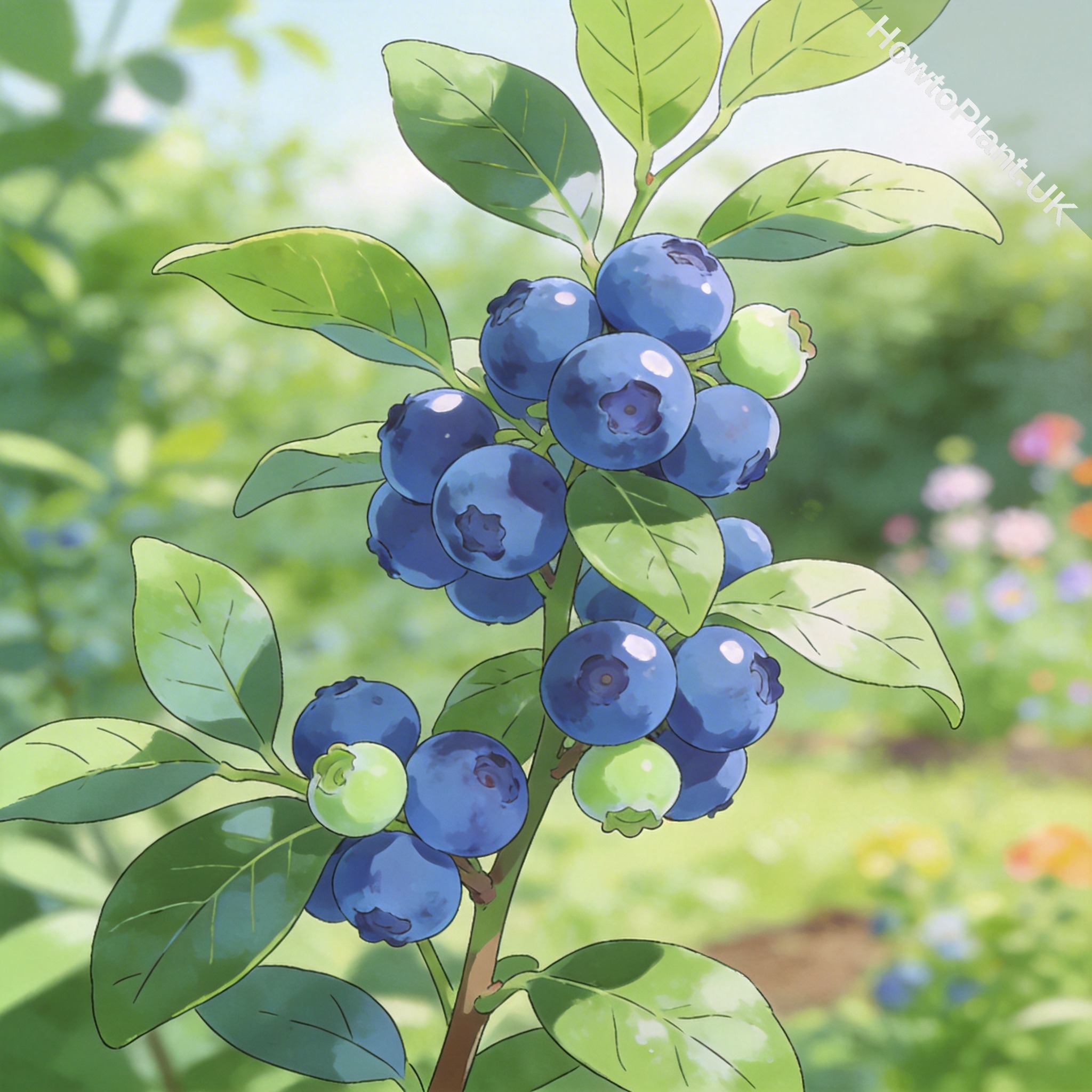
Blueberries also known as Vaccinium are beloved for their sweet tart flavor and numerous health benefits. These deciduous shrubs are native to North America and belong to the same family as cranberries azaleas and rhododendrons. With their attractive foliage delicate white or pink flowers and delicious blue fruit blueberries are both a productive fruit crop and an ornamental addition to the garden.
Throughout the year blueberries follow a distinct seasonal cycle. In spring small bell shaped flowers appear before or at the same time as the new leaves. The flowers are highly attractive to bees which are essential for pollination and fruit set. After pollination the flowers develop into small green berries that gradually ripen to their characteristic deep blue color over several weeks during summer. The exact ripening time depends on the variety and climate with some early varieties ripening in early summer and others not until late summer. In fall the foliage turns beautiful shades of red orange and yellow adding color to the garden. The plants lose their leaves in winter and enter dormancy requiring a period of cold weather to produce fruit the following year.
Growing Conditions
Light Requirements
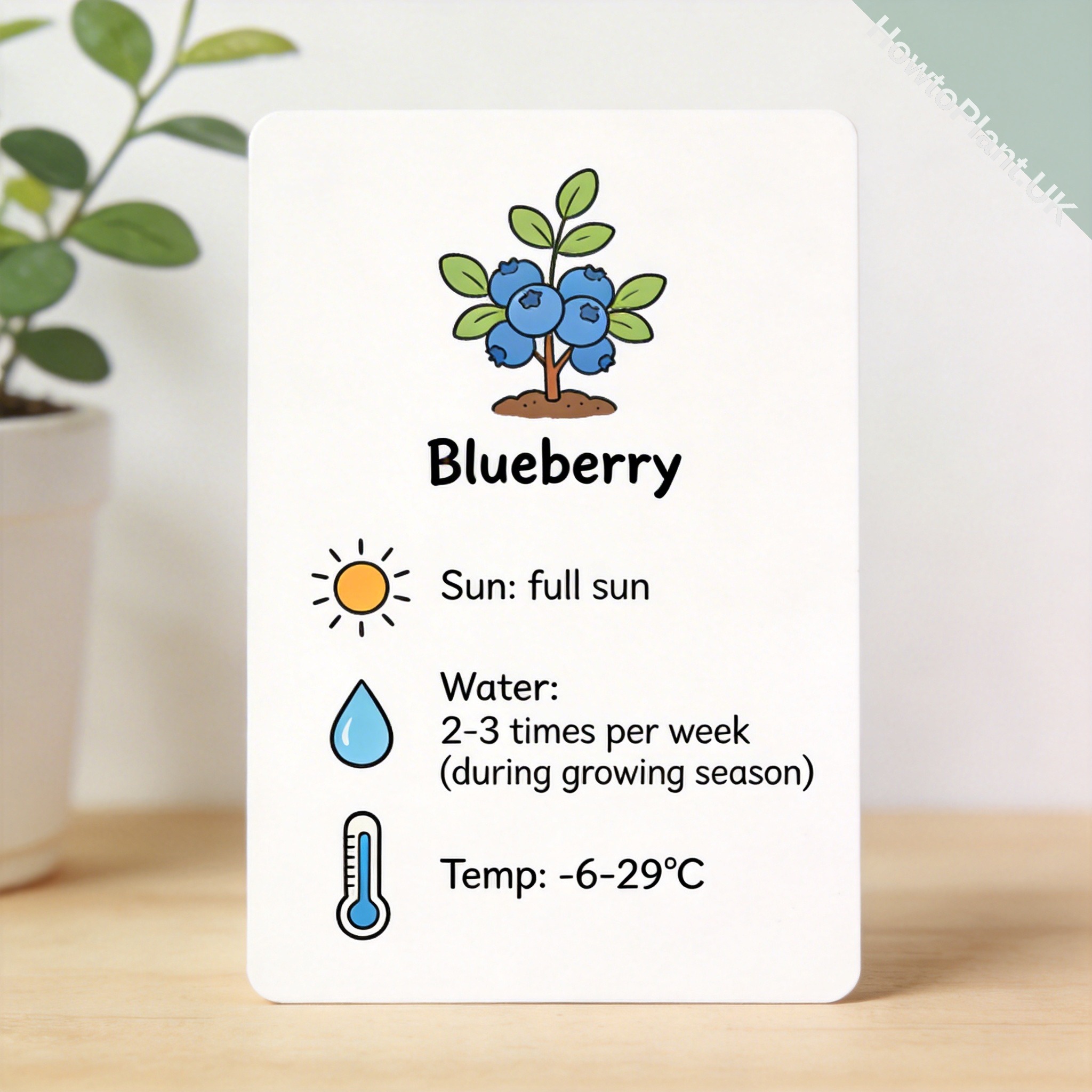
Blueberry thrives in full sun. Blueberries thrive in full sun, requiring at least 6-8 hours of direct sunlight per day for optimal fruit production. While they can tolerate partial shade, fruit yield and quality will be significantly reduced. Ensure they are not shaded by taller plants or structures.
Temperature Preferences
This plant prefers temperatures between 20-85°F (-6-29°C) during its active growth period. Prolonged exposure to temperatures below -20°F (-29°C) should be avoided. Blueberries are temperate plants and require a certain number of chill hours (temperatures below 45°F / 7°C) during winter for proper fruit set. The specific chill hour requirement varies by cultivar. They are generally tolerant of a wide range of summer temperatures but can experience stress in prolonged extreme heat.
Watering
When it comes to watering Blueberry it is best to follow a consistent schedule. For most conditions this means watering about 2-3 times per week (during growing season) during the growing season and once every 2-4 weeks during the dormant period. Blueberries have shallow root systems and require consistent moisture, especially during fruit development. The soil should be kept evenly moist but never waterlogged. Reduce watering significantly during the dormant winter months.
Soil Requirements
Blueberry requires well-draining, acidic, organic-rich soil for healthy growth. The pH should be around 4.5-5.5 for optimal nutrient uptake. Blueberries are acid-loving plants and require a very specific soil pH range. They thrive in well-draining soil rich in organic matter. Amending the soil with peat moss, pine bark, or other acidic organic materials is crucial for success.
Planting Tips
• Test your soil pH before planting and amend as needed to reach the ideal range of 4.5 5.5
• Plant in early spring or late fall depending on your climate spring planting is often recommended for colder regions
• Space plants 4 6 feet apart in rows spaced 8 10 feet apart to allow for good air circulation and future growth
• Dig a hole twice as wide as the root ball but no deeper plant at the same depth as it was in the nursery pot
• Mix in plenty of acidic organic matter like peat moss composted pine needles or leaf mold when planting
• Mulch heavily with 2 4 inches of organic mulch like pine needles wood chips or shredded bark to maintain soil moisture and acidity
• Water regularly especially during the first year while the plants become established
• Consider planting at least two different varieties for cross pollination and better fruit set even if they are self fertile
• Protect plants from birds as the berries ripen using netting or other bird deterrents
• Prune annually in late winter or early spring to remove dead wood and encourage new productive growth
What can Blueberry be used for
• Delicious eaten fresh picked straight from the bush when fully ripe and sweet
• Excellent for baking in muffins pies tarts pancakes and other desserts
• Perfect for making jams jellies preserves and syrups that capture their unique flavor
• Can be frozen for later use simply wash dry and freeze in a single layer on a baking sheet before transferring to bags or containers
• Great addition to smoothies yogurt bowls salads and breakfast dishes
• Rich in antioxidants vitamins and fiber making them a nutritious addition to your diet
• Attractive ornamental plants with pretty spring flowers and beautiful fall foliage
• Provide food for wildlife especially birds who love the ripe berries
• Can be grown in containers on patios decks or balconies making them suitable for small spaces