
Plant Introduction
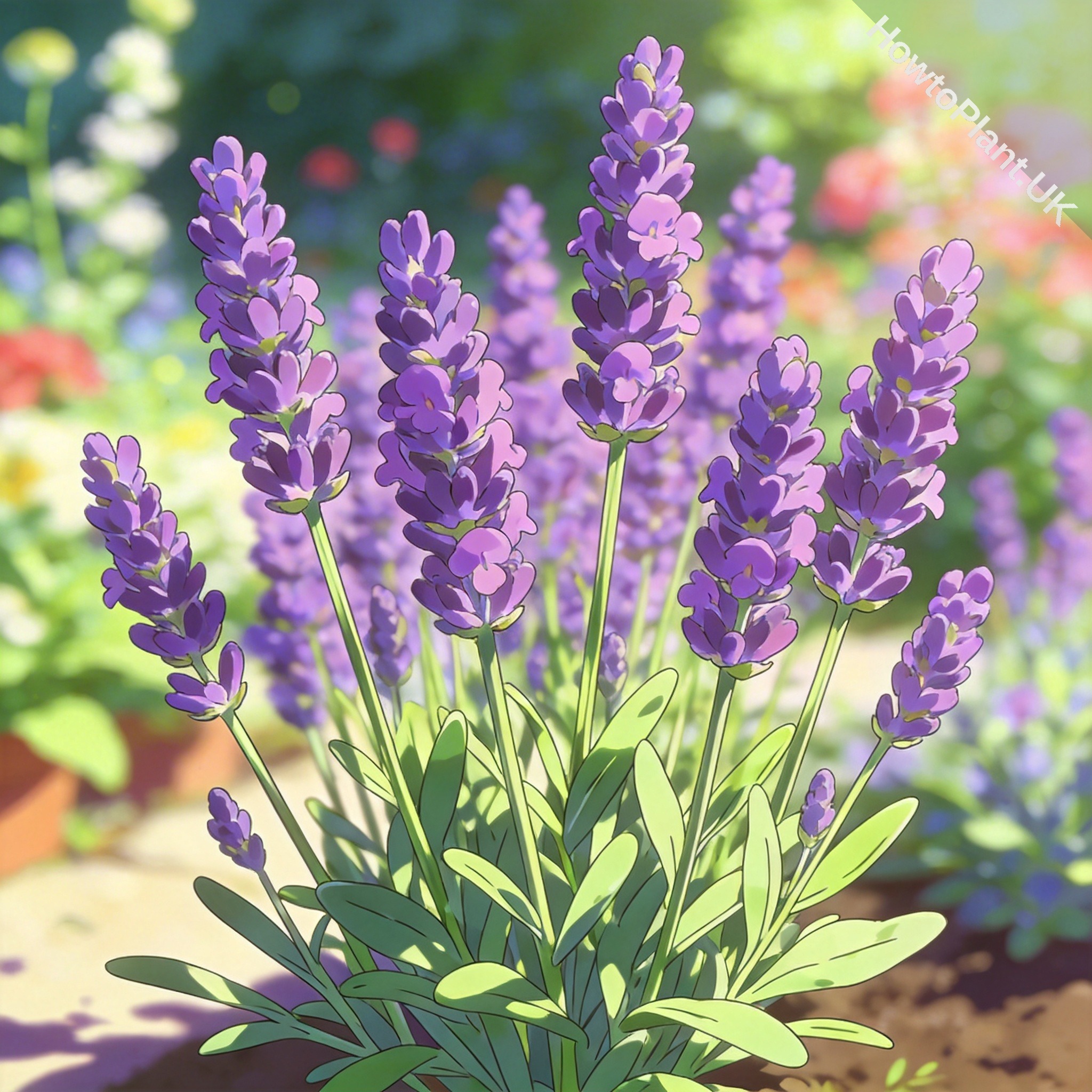
The Lavender also known as Lavandula is a popular and rewarding plant to grow. With its unique characteristics and relatively easy care requirements it makes an excellent addition to any home garden or indoor space. Whether you are an experienced gardener or just starting out this plant offers beauty and enjoyment throughout the year.
Throughout the year the Lavender displays distinct seasonal patterns. In spring and summer during the active growing season you can expect vigorous growth and possibly flowers or fruit depending on the type of plant. In fall growth naturally slows as the plant prepares for the cooler months ahead. In winter many varieties enter a period of dormancy requiring less water and care until the next growing season begins.
Growing Conditions
Light Requirements
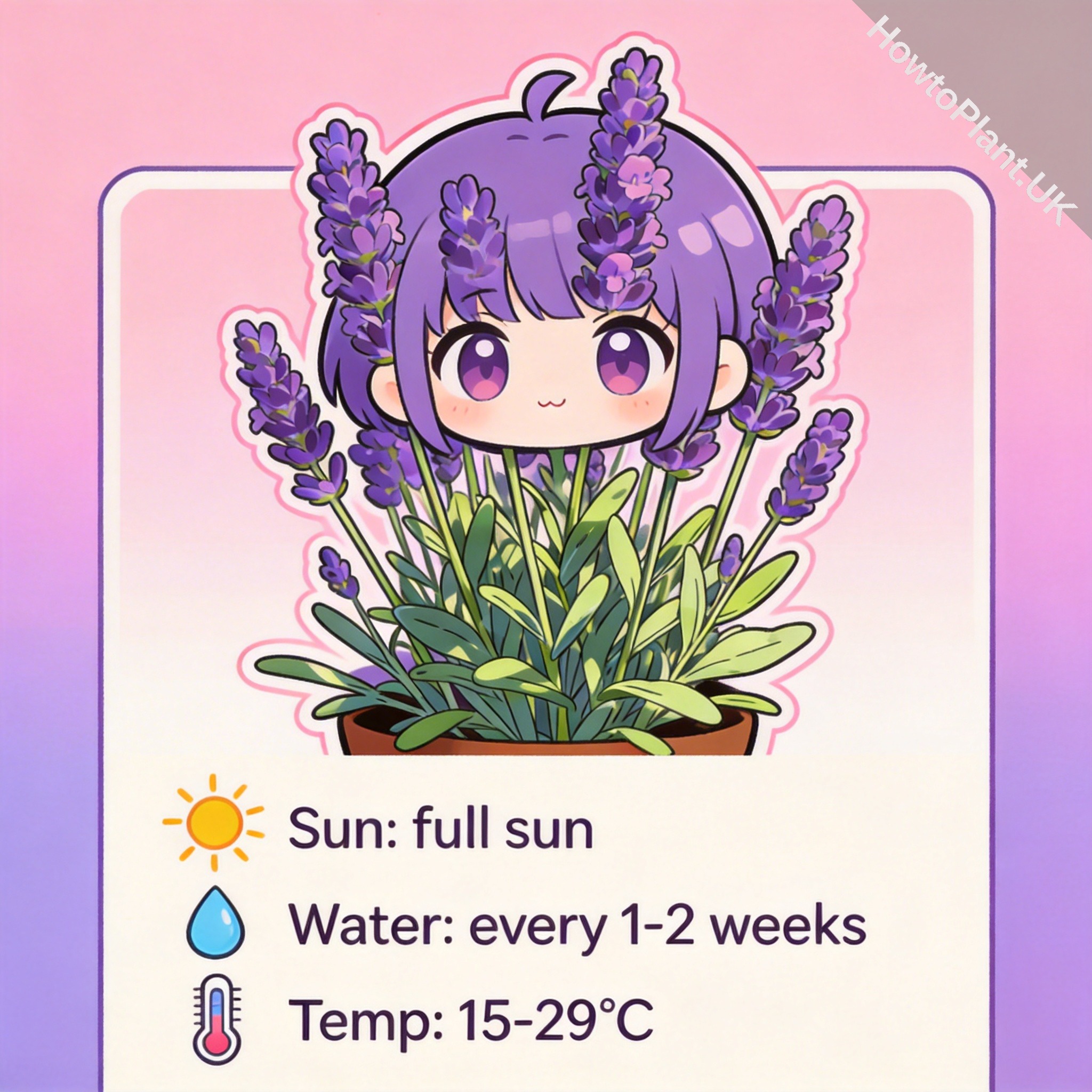
Lavender thrives in full sun. Lavender thrives in abundant sunlight, requiring at least 6-8 hours of direct sun exposure per day to produce the best blooms and strongest fragrance. Insufficient light can lead to leggy growth and reduced flowering. In hotter climates, some afternoon shade might be beneficial, but generally, more sun is better.
Temperature Preferences
This plant prefers temperatures between 60-85°F (15-29°C) during its active growth period. Prolonged exposure to temperatures below 10°F (-12°C) should be avoided. Lavender is a hardy plant that tolerates a wide range of temperatures. While it prefers warm, sunny conditions for optimal growth, many varieties are cold-hardy down to USDA Zone 5. Extreme heat combined with high humidity can be detrimental, potentially leading to fungal issues.
Watering
When it comes to watering Lavender it is best to follow a consistent schedule. For most conditions this means watering about every 1-2 weeks during the growing season and every 3-4 weeks during the dormant period. Once established, lavender is drought-tolerant and prefers to dry out between waterings. Overwatering is a common cause of failure, leading to root rot. Water deeply when the top 2-3 inches of soil are dry, especially during prolonged dry spells or in its first year of establishment.
Soil Requirements
Lavender requires well-draining sandy or gravelly soil for healthy growth. The pH should be around 6.5-7.5 for optimal nutrient uptake. Excellent drainage is paramount for lavender’s health. It naturally grows in rocky, alkaline soils, so heavy clay soils should be amended with grit, sand, or compost to improve drainage. A slightly alkaline to neutral pH is ideal, as acidic soils can hinder nutrient uptake.
Planting Tips
• Choose a pot that is only slightly larger than the root ball as many plants prefer to be somewhat root bound
• Repot only when necessary usually every 2 3 years or when roots start growing through the drainage holes
• Wipe leaves occasionally to remove dust and help the plant photosynthesize more effectively
• Use a pot with good drainage holes to prevent waterlogging and root rot
• Can be propagated through stem cuttings division or seeds depending on the specific variety
• Keep out of reach of pets if the plant is known to be toxic
• Provide appropriate support like stakes or trellises for climbing or vining varieties
What can Lavender be used for
• Beautiful decorative addition to any home office or garden space
• Can be displayed as a table plant hanging plant or in containers depending on growth habit
• Easy to propagate making it a great plant for sharing with friends and family
• Low maintenance option perfect for busy people or those new to plant care
• Creates a calming natural atmosphere in any space
• Some varieties have air purifying properties helping to improve indoor air quality
• Can be used fresh or dried for crafts arrangements or other creative projects