
Plant Introduction
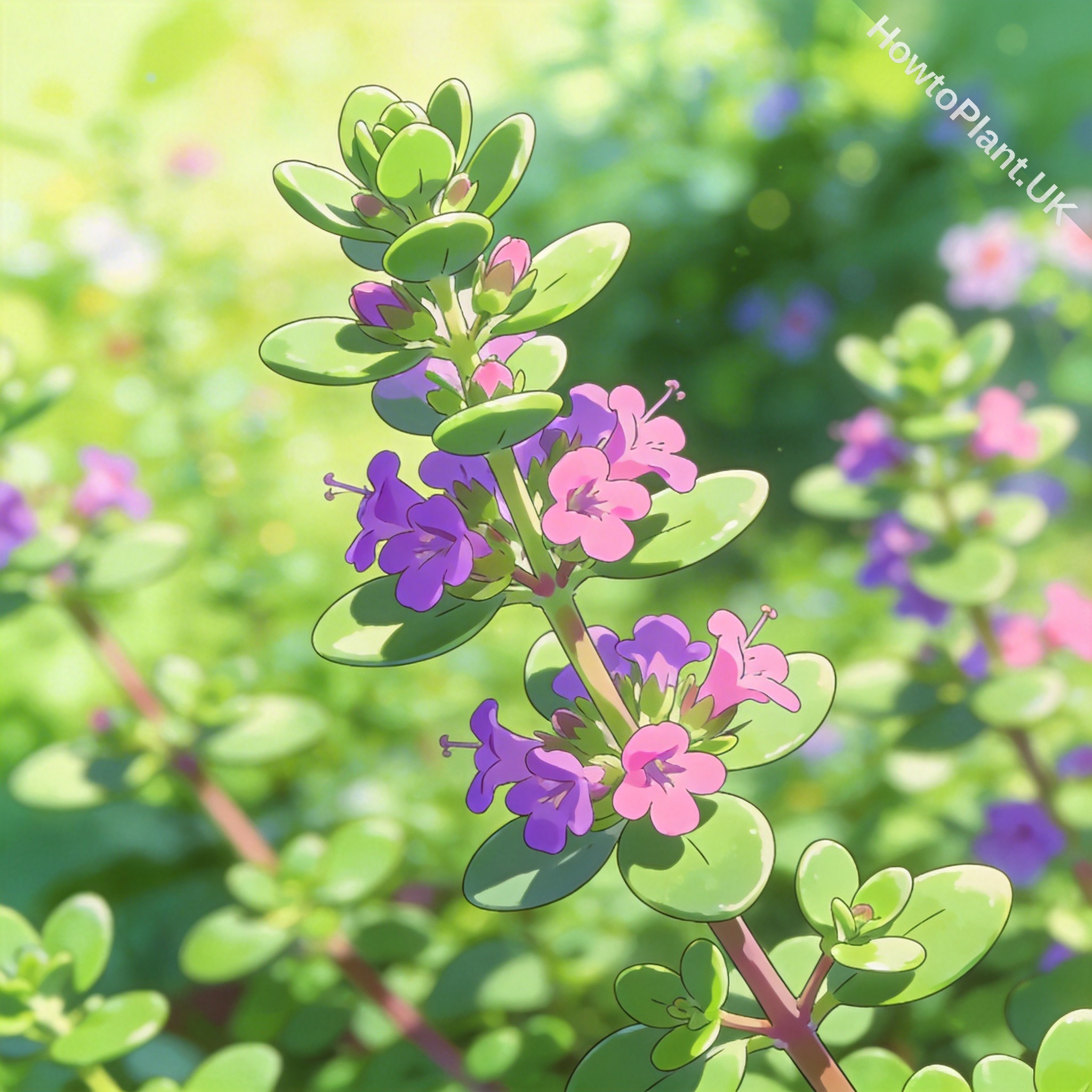
Thyme also known as Thymus vulgaris is a fragrant perennial herb native to the Mediterranean region. With its small aromatic leaves and low growing spreading habit it is both a beautiful ornamental plant and an essential culinary herb. Thyme is a member of the mint family and has been used for centuries in cooking medicine and even as a preservative.
Throughout the year Thyme maintains its evergreen foliage in mild climates providing year round interest in the garden. In spring and summer it produces tiny delicate flowers that are highly attractive to bees and other pollinators. The flowers can be white pink or purple depending on the variety. During the hottest summer months growth slows somewhat but the plant remains resilient. In fall and winter it continues to thrive in cool weather and can even tolerate light frost making it a reliable addition to herb gardens.
Growing Conditions
Light Requirements
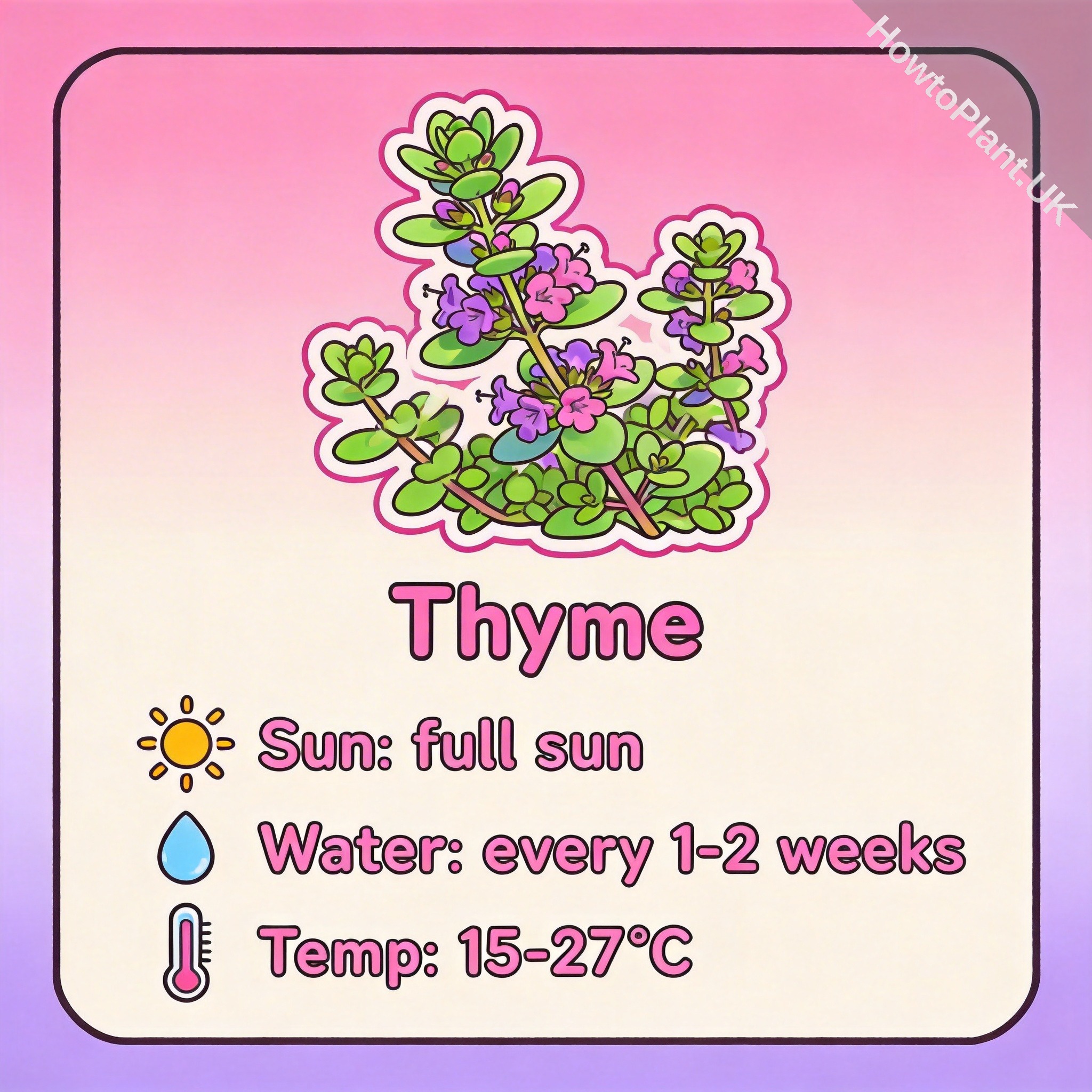
Thyme thrives in full sun. Thyme thrives in full sun, requiring at least 6 hours of direct sunlight per day to produce the best flavor and growth. While it can tolerate some partial shade, especially in very hot climates, too little light will result in leggy growth and reduced aromatic oils.
Temperature Preferences
This plant prefers temperatures between 60-80°F (15-27°C) during its active growth period. Prolonged exposure to temperatures below 20°F (-6°C) should be avoided. Thyme prefers warm temperatures and is generally hardy in USDA zones 5-9. While it can tolerate light frosts, prolonged periods below its minimum temperature can cause damage or death, especially if the soil is wet. In colder climates, it’s often grown as an annual or protected during winter.
Watering
When it comes to watering Thyme it is best to follow a consistent schedule. For most conditions this means watering about every 1-2 weeks during the growing season and every 3-4 weeks during the dormant period. Thyme is drought-tolerant once established and prefers to dry out between waterings. Overwatering is a common cause of root rot. Water thoroughly when the top inch or two of soil feels dry to the touch, reducing frequency in cooler weather or during its dormant period.
Soil Requirements
Thyme requires well-draining sandy or gritty soil for healthy growth. The pH should be around 6.0-8.0 for optimal nutrient uptake. Thyme absolutely requires excellent drainage to prevent root rot. It prefers lean, sandy, or gritty soil and does not do well in heavy, clay-rich soils. Amending with sand or perlite can improve drainage significantly.
Planting Tips
• Plant in well drained soil or in containers if your soil is heavy or poorly draining
• Space plants 12 18 inches apart to allow for their spreading growth habit
• Can be grown from seeds cuttings or purchased plants cuttings are recommended for consistent results
• Pinch back the tips regularly to encourage bushier growth and prevent legginess
• Prune lightly after flowering to maintain shape and promote fresh growth
• Divide plants every 2 3 years in spring to keep them vigorous and healthy
• Mulch around plants with gravel or stone to help keep roots warm and dry
What can Thyme be used for
• Essential culinary herb perfect for seasoning meats soups stews sauces and vegetable dishes
• Excellent ground cover for sunny areas particularly in rock gardens or between paving stones
• Attracts bees butterflies and other beneficial pollinators to the garden
• Medicinal uses include soothing coughs aiding digestion and as an antiseptic
• Can be used fresh or dried for long term storage retains its flavor well when dried
• Makes an attractive low growing border plant or edging for herb and flower gardens
• Aromatic oils used in perfumes soaps and aromatherapy for its calming and refreshing scent